Farm Bill

The farm bill is the single largest source of conservation funding for private lands in the United States. Learn more below about Pheasants Forever and Quail Forever’s advocacy for farm bill conservation programs and their impact on agriculture, wildlife, and rural communities.

With more than 70% of the land in the lower 48 states privately owned, the future of upland birds and their habitat depends on voluntary, incentive-based tools that help agricultural producers conserve and improve their lands. Pheasants Forever and Quail Forever volunteers, members, staff, and partners work hand-in-hand with America’s farmers, ranchers, and forest landowners to implement conservation and wildlife habitat projects as part of their agricultural operations.

Much of this work happens through the federal farm bill, which provides billions of dollars for highly effective conservation programs that create habitat, improve soil health and water quality, and provide public hunting access on private lands. That’s why Pheasants Forever and Quail Forever’s top federal legislative priority is a bipartisan farm bill that:   

  • Supports voluntary, incentive-based programs that build agricultural resilience, promote private lands stewardship, and sustain rural communities. 

  • Emphasizes conservation practices that address multiple natural resource concerns, including wildlife habitat, soil health, and water quality.

  • Ensures all farmers, ranchers, and landowners have access to conservation programs to maximize their effectiveness and impact. 

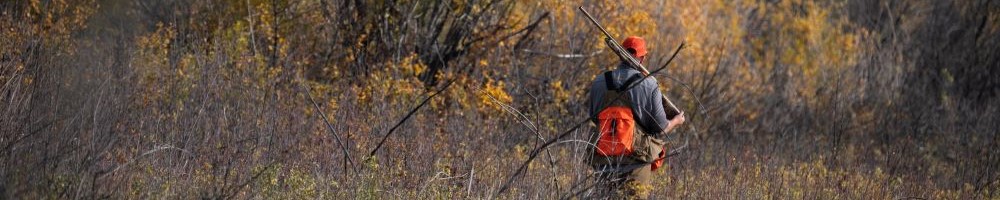
hunter walking in field

The farm bill’s conservation title includes several programs that provide tools and resources for agricultural producers to use on their operations while continuing to produce food, feed, fuel, and fiber. These tools include cost-share for implementing conservation practices on land in active crop and livestock production; incentives for establishing conservation cover and wildlife habitat on highly erodible and environmentally sensitive lands; and funding for voluntary easements to restore wetlands, grasslands, and private forestland. Read more about some of these programs below.

farm-bill-crp-stacked.jpg

Conservation Reserve Program

The Conservation Reserve Program (CRP) is one of the nation’s longest-standing and most successful private lands conservation programs. CRP offers farmers, ranchers, and landowners an annual rental payment, cost-share for implementation, and other incentives to establish conservation cover on marginal and highly erodible cropland and other environmentally sensitive lands. Since 1985, CRP has been a critical part of the farm safety net, giving producers and landowners the tools they need to manage risk, generate on-farm income, and conserve their most sensitive acres. It also restores wildlife habitat, improves water quality and soil health, and supports the $1.3 trillion outdoor recreation economy.  

Go to Site
farm-bill-vpa-hip-stacked.jpg

Voluntary Public Access and Habitat Incentive Program

The Voluntary Public Access and Habitat Incentive Program (VPA-HIP) provides grants to state fish and wildlife agencies to increase public access to private lands for hunting, fishing, and other wildlife-dependent recreation—it is the only federal program to support public hunting access on America’s private lands. This funding has led to millions of additional acres being made available for hunters thanks to landowners voluntarily opening their lands, known in many states as “walk-in areas.” 

Go to Site
farm-bill-eqip-stacked.jpg

Environmental Quality Incentives Program

The Environmental Quality Incentives Program (EQIP) is the largest “working lands” program in the farm bill, providing billions of dollars in funding for financial and technical assistance to agricultural producers to install and implement conservation practices on active cropland, rangeland, and forestland. The farm bill requires at least 10 percent of this EQIP funding to be targeted at wildlife practices and initiatives, such as through Working Lands for Wildlife and the Northern Bobwhite Pilot Project. 

Go to Site
farm-bill-acep-stacked.jpg

Agricultural Conservation Easement Program

The Agricultural Conservation Easement Program (ACEP) helps to restore and protect grasslands, wetlands, and working farms and ranches through voluntary conservation easements held by either USDA or other entities. These conservation easements are an important tool for keeping sagebrush rangeland intact, as well as for protecting, restoring, and enhancing wetlands and associated upland habitats. 

Go to Site
farm-bill-rcpp-stacked.jpg

Regional Conservation Partnership Program

The Regional Conservation Partnership Program (RCPP) provides an opportunity for nonprofit organizations like PF & QF and other partners to address natural resource concerns in target geographies by leveraging both public and private funding to deliver on-the-ground conservation outcomes. PF & QF’s Montana Grasslands Initiative and Arizona Quail Initiative are utilizing RCPP to make a landscape-level impact for wildlife habitat by bringing together landowners, partners, and federal agencies to enhance habitat connectivity and quality and improve grazing systems throughout the region. 

Go to Site

Your cart is empty