
Habitat & Conservation
|
07/13/2026
Montana rancher returns 1,202 acres of cropland back to grassland
Kyle Wasson expands habitat in Phillips County Through Pheasants Forever's Montana reseeding program
by Rachel Holt
Related Articles


On the northern plains of Montana, where sweeping grasslands meet coulees and prairie potholes, rancher Kyle Wasson is investing in a future he hopes will benefit both his family and the wildlife that call the region home.
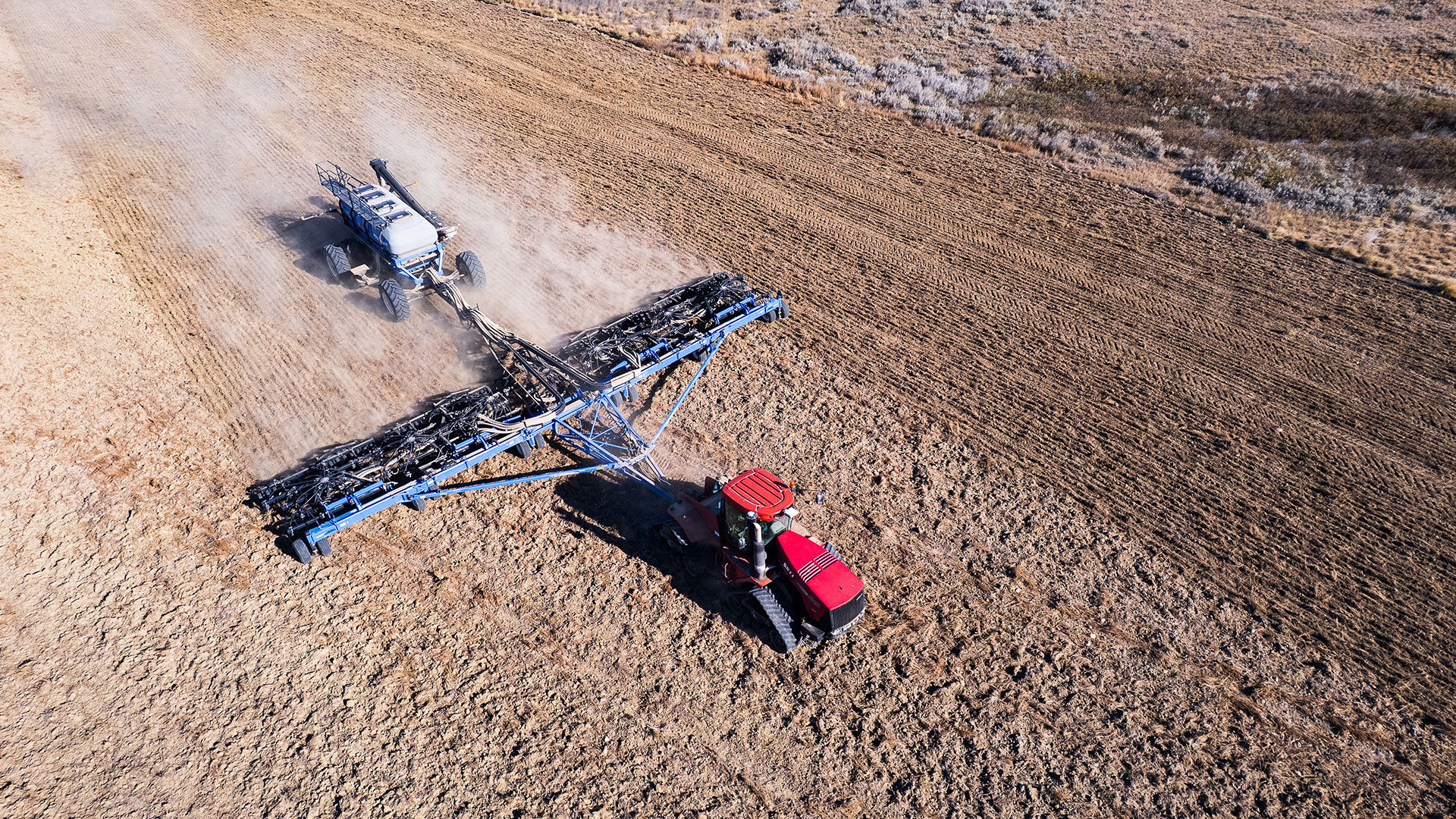
Last fall, Wasson reseeded 1,202 acres of former cropland on his ranch in Phillips County back to native grassland through Pheasants Forever's Montana reseeding program. The program helps landowners restore marginal cropland to native prairie habitat that benefits wildlife, soil health and grazing operations.
The project, supported by multiple conservation partners, will eventually become part of a larger grazing system, while expanding important grassland habitat along the edge of one of Montana's remaining core grassland landscapes.
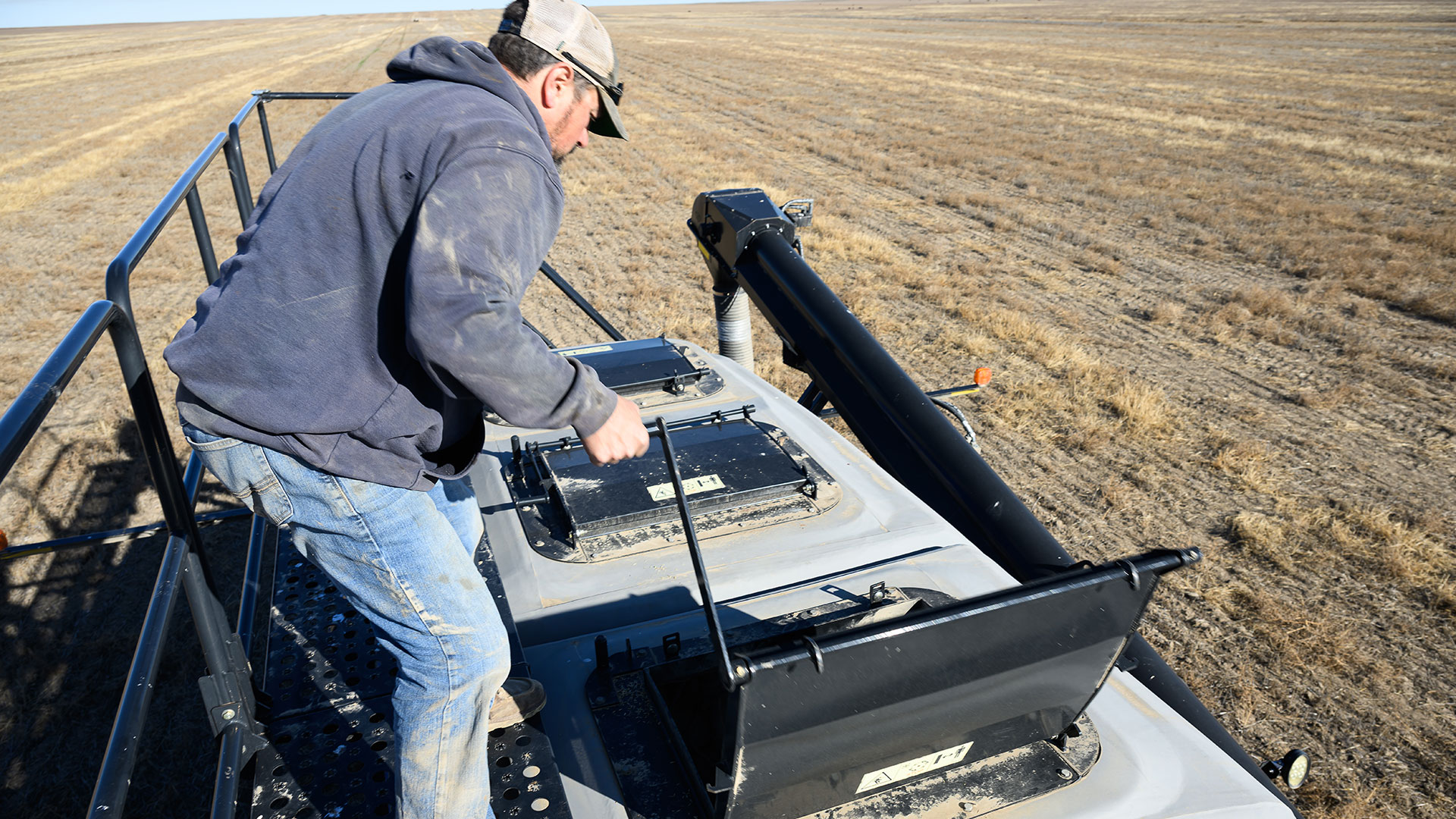
Wasson purchased the property in 2005 after returning home to Phillips County from a career as an agronomist. Over the years, he and his father worked to build their farming and ranching operation. More recently, persistent drought and the challenges of farming marginal ground prompted them to consider a different future for the acreage.
"It seemed like going back to grass worked in our favor," Wasson said. "We'll keep the farm ground that's right near home base in farming, but this land is up against a lot of coulees and native grass."
Pheasants Forever senior coordinating wildlife biologist Loren Ruport has worked with the Wasson family for nearly a decade on a variety of conservation projects.
"We've worked with Kyle and his father over probably the last eight years doing various projects. This is one we've talked about for a while. They had about 1,400 acres of cropland they wanted to at some point turn back to grass and add to their existing grazing systems."
Over the last two years, Ruport and conservation partners helped secure funding for the seeding project, which included support from the U.S. Fish and Wildlife Service. The agency is helping fund portions of the restoration and is pursuing a grassland easement that would help ensure the habitat remains intact for generations.
The newly seeded acres now connect with surrounding native prairie, creating a larger block of uninterrupted habitat.
"We have some really intact grassland to the west and the south," Ruport said. "Building off that edge is a huge benefit. From waterfowl to upland birds and songbirds, it helps continue to expand those core habitat areas."
The seed mix includes native grasses and forbs such as western wheatgrass, slender wheatgrass, green needlegrass, blue flax and purple prairie clover. While it will take several growing seasons for the grasslands to establish fully, wildlife benefits are expected almost immediately.
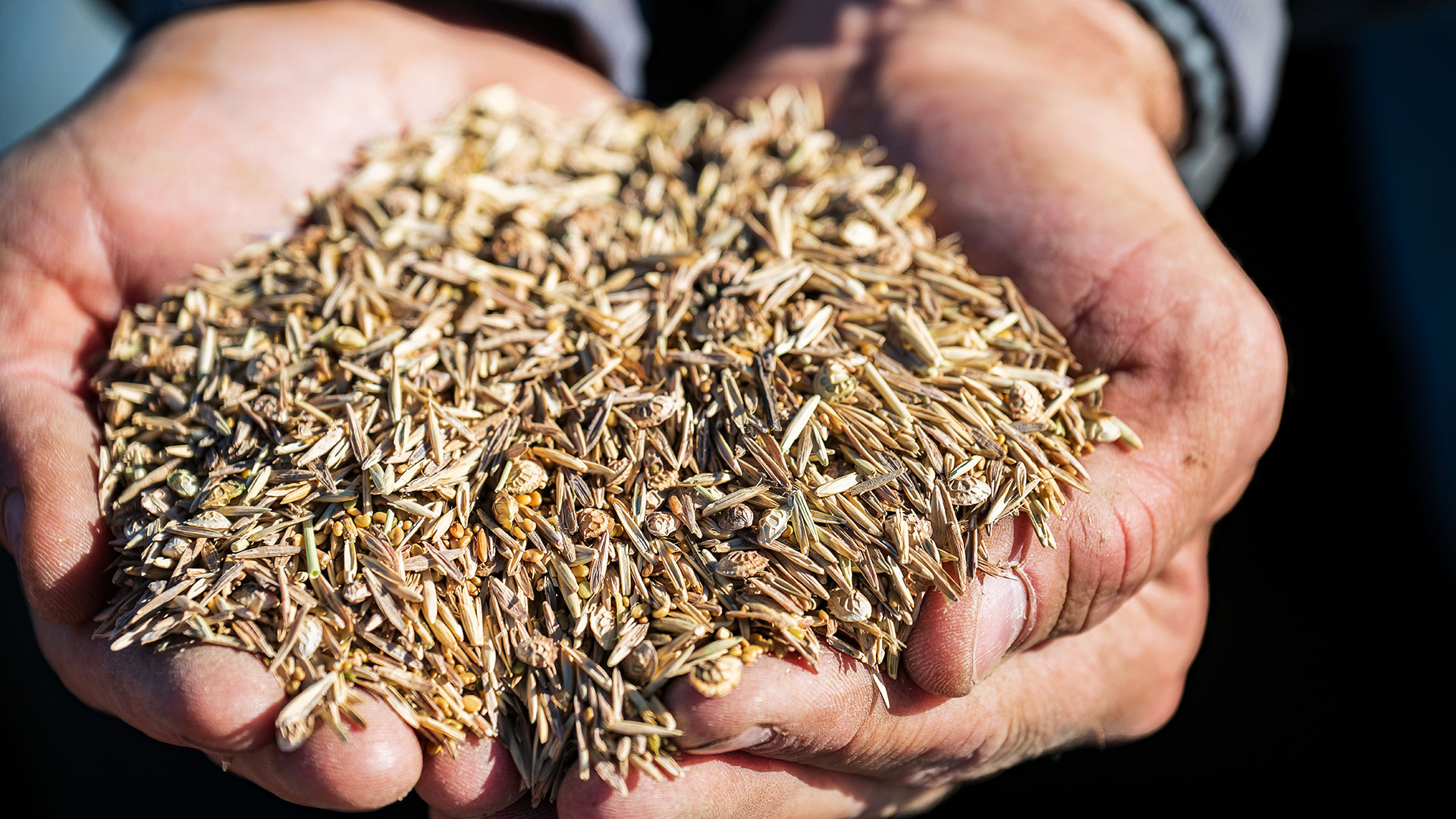
"With the first year, from a wildlife standpoint, you see immediate benefits," Ruport said. "By the third year, you have a really good established grass stand."
The restored habitat is expected to benefit a variety of species found throughout the region, including sharp-tailed grouse, pheasants, mallards, northern pintails and numerous grassland songbirds. The project also expands habitat within sage grouse country.
The project also includes new fencing and livestock water developments designed to improve grazing management and distribute cattle more evenly across the landscape. By providing clean water in upland areas, the infrastructure reduces pressure on ponds and low-lying riparian areas while improving livestock performance.
Ruport said these investments demonstrate how properly managed grazing can work hand-in-hand with conservation.
"f we have good grass and water for wildlife, we're going to have the same thing for cattle. Having a good grazing plan is essential to wildlife and to the long-term viability of the operation."
Wasson's plan includes using adjacent cover crops and rotational grazing to give the newly seeded grasslands time to establish while maintaining forage for his herd.
"I think that rotation is going to allow us to bring back better grass and utilize it without overgrazing," he said.
For Ruport, the project represents more than a successful restoration effort. It reflects a long-term partnership built on trust and shared goals.
"Developing that relationship with the Wassons has translated into thousands of acres of conservation and land stewardship that we wouldn't have otherwise. They're great partners and great advocates for conservation in their community."
As the grasslands take root over the coming years, Wasson looks forward to seeing more wildlife return to the landscape and knowing the land will continue supporting both cattle and conservation.
"I think it'll help bring back more than just cattle," he said. "I think there are possibilities for deer, birds and all kinds of wildlife. Going back to grass just works better for us, and it works with the country that's already there."
Your cart is empty