
Habitat & Conservation
|
07/13/2026
Montana Weather Report
Parts of Montana bracing for another dry year while others have welcome precipitation
by Gilbert Randolph
Related Articles


The availability of water is an ever-present limiting factor for wildlife and ranchers alike in the west, and Montana is no exception. Hunters and ag producers will be looking at the chances of rainfall as predictors of available forage and habitat in the fall.
As of late June, roughly 46% of Montana was in a moderate drought, with the most consistent area of severe drought occurring in the southwestern portion of the state. While some areas have received more recent rainfall, the year is by and large shaping up to be dry. Pheasants Forever biologists and local landowners shared their thoughts on the weather and how they have prepared for the challenges it poses.
"The drought in our eyes is not anything new. Our country is used to growing with little moisture. With the ongoing drought we have already transitioned our management to smaller paddocks to allow the rest of the acreage to grow and/or rest for longer periods of time," said Wally Harbaugh, a rancher from eastern Montana. "Our reservoirs are dry, so we are relying completely on underground pipeline and solar wells for stock water. There is a need for more water wells and pipeline to adequately water animals."
Neil Vruno, Pheasants Forever and Quail Forever coordinating biologist in Montana points to the effect of drought on the availability of forage during the brood-rearing season of upland birds as a potential issue for this year's hatch.
"After grouse nests hatch in late spring and early summer the hens typically take their broods to riparian areas during the mid-summer months. In these riparian areas the chicks feed on a diet made up of largely insects and forbs. Drought conditions can decrease the availability of forb and insect forage during a critical time regarding chick survival. Drought conditions can also reduce the amount vegetative cover on the ground important for nesting habitat, predator evasion and winter cover."
Joshue Hobbs, Pheasants Forever and Quail Forever coordinating biologist III based out of Musselshell county said his coverage areas have largely remained in drought, except for Petroleum and Northern Musselshell counties. These areas began receiving rain about May 25, with some portions of this area having received over seven inches.
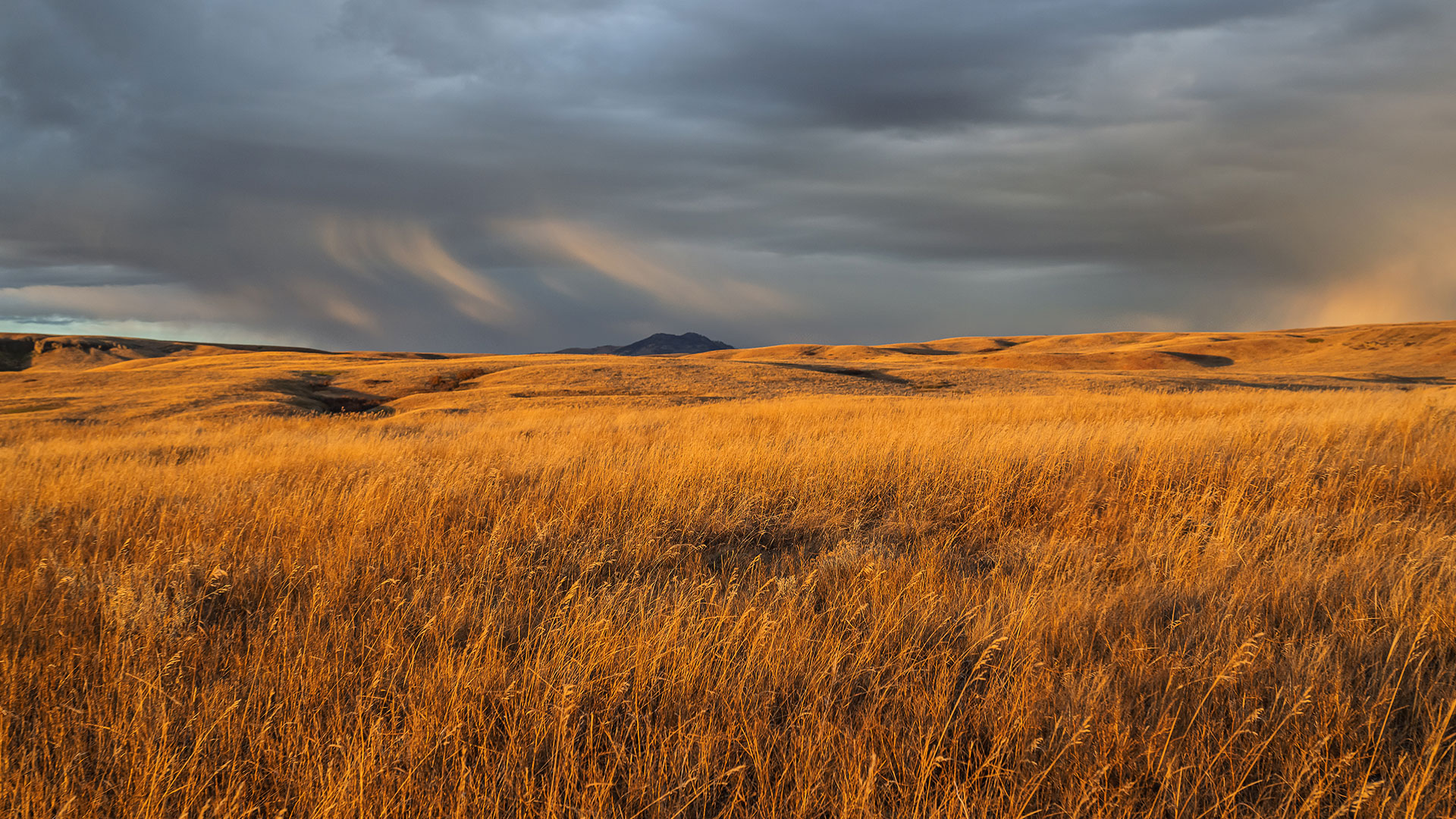
"Now the range looks great and is quickly growing," Hobbs said. "The birds and big game have a really good chance and should go into summer/ fall with great cover and food availability."
While more rainfall has benefited those areas, the portions of the county which have yet to receive rainfall are still struggling.
"Southern Musselshell, Rosebud and Garfeild are still considerably behind on the needed moisture, with spring green up still coming on. Birds in this area are still starting off well with good hatches, but lack of cover will affect them quickly."
While weather conditions have not been ideal, areas which have employed conservation programs are optimistic about their ability to remain productive, even during drought conditions.
"With the availability of conservation programs and my partnership with Pheasants Forever and, World Wildlife Fund, I have had the ability to bank grass by resting pastures over the past year or two," said Colton Mury of the Mury Ranch. "Conservation programs that have allowed us to plant old farm ground to native grass, install water systems to improve grazing rotations and new wildlife friendly fences have really changed how we graze and our outlook when hard times come around. It's not if, it's When another drought will arrive, so planning ahead and working with conservation partners is a no-brainer for ranchers like us."
Landowners interested in implementing practices such as rotational grazing and the other approaches mentioned by the Mury Ranch are encouraged to contact a Pheasants Forever biologist or an NRCS Service Center. Financial and technical assistance is available to help ag producers and landowners make their land more drought resistant.
Your cart is empty