
Habitat & Conservation
|
05/27/2026
The Best of Both Worlds
How a Kentucky Producer is Using NRCS Programs and Adaptive Grazing to Benefit His Business and Wildlife
by Gilbert Randolph, QF Regional Communications Specialist
Related Articles


Daniel Hayden is the owner operator of Hayden Farms in Northwest Kentucky, a priority area for USDA's Natural Resource Conservation Service (NRCS) Working Lands for Wildlife (WLFW). He runs a cow-calf operation alongside eight broiler houses for commercial poultry raising. Like other local ag operations, Hayden struggled with erosion issues and quail were absent from his family's farm. Now, with the help of NRCS programs and modified grazing practices, Hayden is seeing more wildlife and increased productivity on his land.
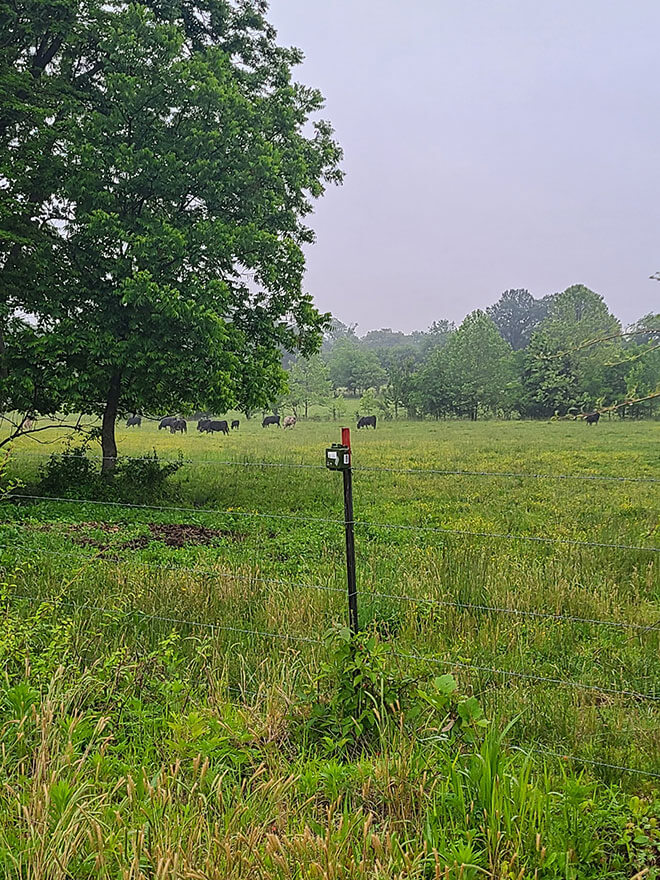
The first step Hayden took was getting enrolled in an Environmental Quality Incentives Programs (EQIP) contract with the NRCS. Much of his property had seeps and springs, which made it nearly impossible to use stream crossings. Fencing off his eroding drainages and getting vegetation back in those areas started this process. Additionally, he installed drain tile in key places to help stabilize the soil. With the introduction of fire and targeted grazing, these draws soon began to produce native plants from the seedbank and they were able to keep soil in place more effectively than before. Hayden replicated this practice across his operation, allowing ditches and draws to grow up instead of mowing and spraying them.
"The pollinator and wildlife response has been unbelievable."
While they didn't have any quail on the property when he was growing up, since managing these marginal areas for wildlife, he now has three coveys of quail and has seen deer, rabbit and pollinator benefit as well.
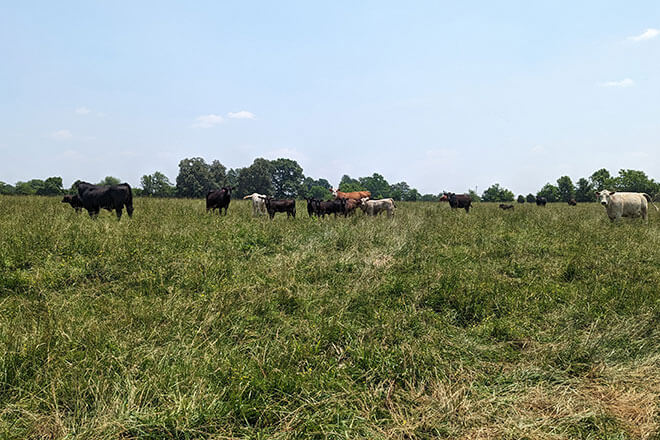
Alongside creating better habitat for wildlife, Hayden has adopted a different grazing model, which has allowed him to increase his stocking density while also improving his soil. He uses what is called rotational grazing, moving his herd through smaller paddocks more frequently instead of allowing them to graze indefinitely over one large pasture. This has led to a number of positive changes in his operation.
"Doing small paddocks allows more rest time for other paddocks," Hayden said. "That trampling factor and more soil rest is helping to build drought tolerance and soil health." Shorter, higher intensity grazing also benefits wildlife by allowing better habitat for insects, the foundation of the food chain for upland birds.
These smaller paddocks have also helped Hayden train his cows to eat more than just cool season grasses. In a larger pasture, they can pick and choose which plants they prefer, but in smaller pastures, they develop a broader palette and can graze on highly nutritious native plants such as giant ragweed.
"The harder and the faster per square foot, the cows can learn they can eat all the other stuff as well" Hayden said. "As you get a group of cows trained, when you introduce new cows, the new cows learn faster because you're creating a culture within that herd."
Using this strategy has allowed Hayden to increase his stocking density without overgrazing his pastures. With healthier forage comes healthier soil, better soil structure and more ability to retain water and make his pastures more resilient in dry spells. This positive cycle is a win-win for his operation and for his land.
"I've got more cows on less acres that are fatter, and I have more wildlife than I ever have."
Technical and financial assistance is available to producers through Working Lands for Wildlife to put similar practices into place. Converting portions of cool season grass pastures to native warm season grasses for drought resistant forage, pollinator plantings, field borders and more can help bring back grazing practices that help cows and help wildlife.
To learn more about what programs are available to help landowners incorporate conservation into their ag operations, contact a Pheasants Forever or Quail Forever Biologist or a local NRCS service center.
Your cart is empty